
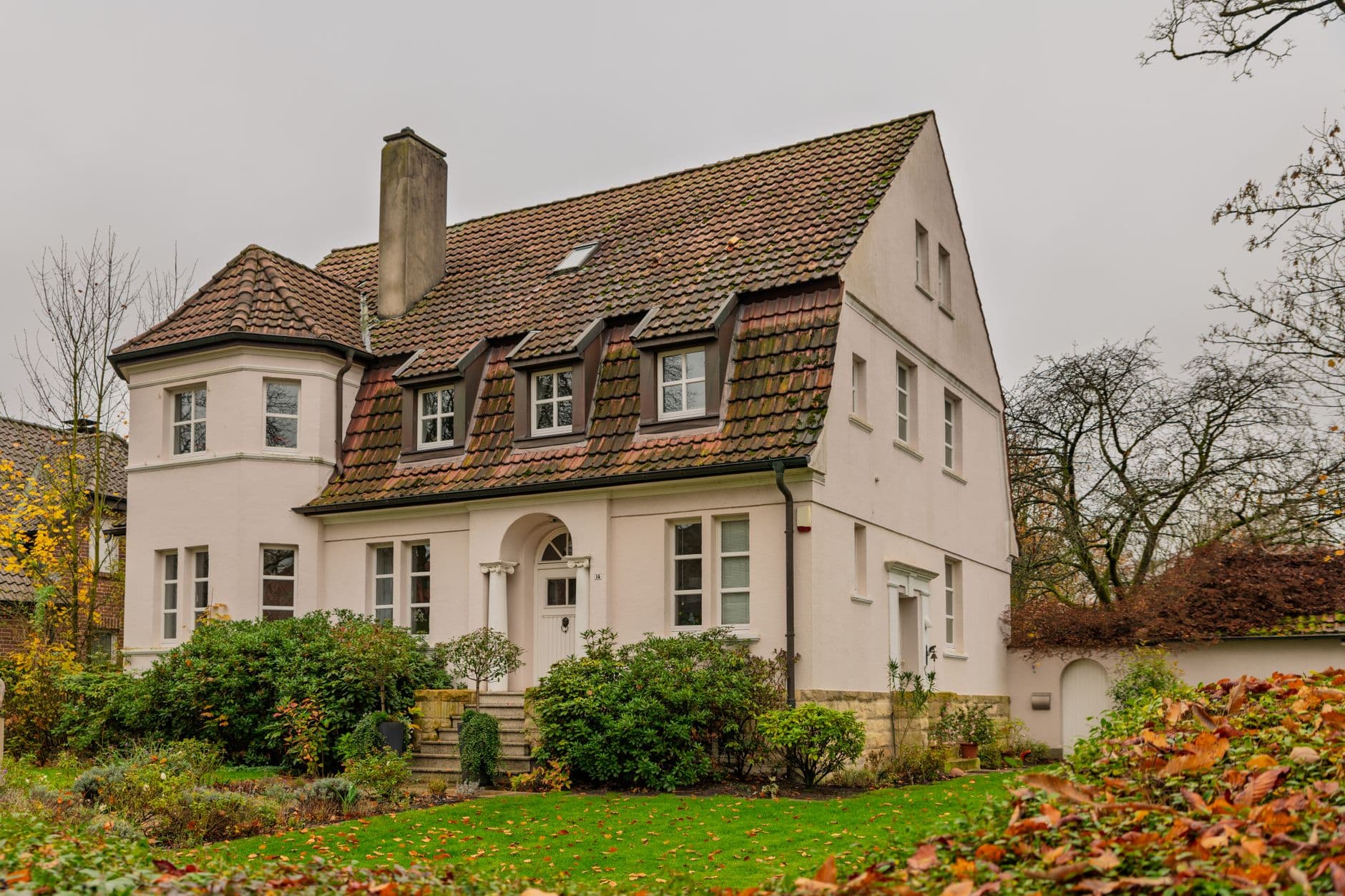
Old Chimneys Do Not All Fail the Same Way
Every chimney eventually shows signs that it needs professional attention, but what those signs look like depends a great deal on how and when the chimney was built. A crack pattern that is routine on a post-war Torrance tract chimney might point to something more serious on a hillside custom build in Rancho Palos Verdes, and a smell that means one thing in a Long Beach Craftsman bungalow can mean something else entirely in a Redondo Beach beach cottage. As the chimney sweep and inspection team serving the South Bay and the Palos Verdes Peninsula, we have learned to read warning signs through the lens of a home's construction period, not just a generic checklist.
This guide covers the warning signs worth watching for, organized around how they tend to show up differently depending on when your chimney was originally built.
Early Twentieth Century Masonry: Long Beach
Long Beach's Craftsman bungalows and Spanish Colonial homes often carry original, hand-built masonry chimneys. On these older structures, the earliest and clearest sign of trouble is usually mortar related rather than liner related. Look for:
- - Chalky white staining on exterior brick, which signals moisture moving through masonry that has absorbed decades of coastal port air
- Mortar joints that have visibly thinned, crumbled, or pulled away from the brick face
- Uneven or irregular flue openings visible with a flashlight, a holdover from hand construction rather than standardized tile forms
- A musty smell that intensifies during damp weather, often tracing back to a chimney that was never sealed with modern waterproofing
Because so much of this construction predates standardized clay tile liners, some of these older Long Beach chimneys were built unlined or had a liner added well after original construction. A sweep and inspection on one of these homes often turns up more than routine creosote removal, since the masonry itself needs a close look.
Post-War Tract Construction: Torrance
Torrance homes built during the 1950s and 1960s masonry boom tend to follow a more standardized construction pattern, which means their warning signs are more predictable too. The most common indicators we see in Torrance include:
- - Hairline cracking in the chimney crown from years of sun exposure and temperature swings
- Mortar joint erosion concentrated at specific weak points that repeat across similar homes built in the same development
- A damper that has stiffened or become harder to operate smoothly over the decades
- Reduced draft that makes fires harder to start or keep going, often tied to accumulated creosote in a flue that has not been swept in some time
Because these tract homes were built to a fairly uniform standard, once we identify a failure pattern in one Torrance chimney, we often see the same pattern show up in nearby homes from the same building phase.
Mid-Century and Hillside Custom Builds: Rancho Palos Verdes and Rolling Hills Estates
Rancho Palos Verdes sits on a coastal bluff where salt air and hillside terrain both work against a chimney over time. Rolling Hills Estates shares that hillside exposure with its older custom homes on large, equestrian-style parcels. Warning signs specific to this part of the Peninsula include:
- - Rust developing on damper hardware, chimney caps, or flashing far faster than it would inland, since salt air accelerates corrosion on any exposed metal
- Cracks that appear along the chimney's vertical run, which can indicate hillside soil movement has shifted the structure relative to the rest of the house
- Spark arrestor mesh that has corroded or gone missing, a real concern given the hillside, brush-adjacent landscaping common in this area
- A cap sitting at a slight angle, which on custom hillside builds can point to settling in the chimney's foundation rather than a simple installation issue
Because these homes were often custom built rather than following a tract pattern, warning signs here deserve a more individualized look than a standardized checklist can provide.
Coastal Bungalow Construction: Redondo Beach
Redondo Beach's older beach bungalows and Spanish-style homes were built for a mild coastal climate, but that climate delivers constant marine layer moisture that standard chimney hardware was never designed to withstand indefinitely. Watch for:
- - Corrosion on cap mesh or damper components that appears earlier than the manufacturer's expected service life
- A persistent damp or musty odor from the fireplace, even when it has not been used in weeks
- Water staining below the cap line, which usually points to a seal that has failed somewhere between the cap and the crown
- Soot or black staining above the damper that builds up faster than expected, since cooler, moisture-laden coastal air condenses smoke more readily than dry inland air
Signs That Cross Every Era
Some warning signs matter regardless of when a chimney was built. Visible debris or tile fragments in the firebox, animals or birds showing repeated interest in the chimney top, and more than a year since the last professional cleaning are all reasons to schedule an inspection no matter the home's age or construction style. What changes by era is not whether these signs matter, but which ones show up first and what they usually mean once a technician gets a closer look.
Reading Your Own Chimney Before You Call
You do not need special equipment to spot most of these signs yourself. A flashlight, a look at the exterior masonry after a rainy stretch, and a few minutes noticing whether your fireplace smells different than it used to will tell you a lot. Homeowners who know roughly when their house was built have an advantage here, since that single fact narrows down which warning signs are most likely to appear first. A Long Beach homeowner in an early twentieth century Craftsman should pay closest attention to the exterior masonry and mortar joints. A Torrance homeowner in a post-war tract home should watch the crown and damper. A Rancho Palos Verdes or Rolling Hills Estates homeowner on a hillside lot should watch for any new cracking along the chimney's vertical line. A Redondo Beach homeowner in an older bungalow should watch for corrosion and water staining tied to marine air. None of this replaces a professional visit, but it does mean you are more likely to catch a problem while it is still small.
Why Ignoring These Signs Costs More Over Time
Across every construction era we see in the South Bay, delayed maintenance turns a manageable repair into a larger one. Creosote left unaddressed in an older Long Beach flue can accelerate the same mortar erosion that salt air is already causing from the outside. A cracked crown in Torrance that goes unrepaired lets water into the structure, where it can reach the same tile liner joints that are already showing age. On the Peninsula, a chimney compromised by both hillside settling and salt corrosion needs attention sooner rather than later, particularly given how close hillside lots sit to dry, drought-tolerant landscaping.
What a Professional Visit Looks Like
When you schedule a cleaning or inspection with us, our CSIA-certified technicians start by identifying your home's approximate construction era and adjusting what they look for accordingly. We protect your home with drop cloths and HEPA-filtered equipment, clear creosote and debris from the flue, and follow up with a visual check that pays specific attention to whatever failure pattern is most common for a home built the way yours was. You get a written report explaining not just what we found, but why it makes sense given your chimney's age and construction.
Get an Inspection Suited to Your Chimney's Age
If any of these signs sound familiar, or if it has simply been a while since your last professional visit, call Homestead Chimney Pros at (562) 273-2664. Our technicians serve the Palos Verdes Peninsula, the South Bay beach cities, and inland communities like Torrance, and we bring the same era-aware approach to every home we visit, whether it is a century-old Long Beach bungalow or a mid-century hillside build above the Pacific.
Need Professional Chimney Service?
Our CSIA-certified technicians are ready to help with all your chimney and fireplace needs. Contact Homestead Chimney Pros today for expert service throughout the South Bay / Palos Verdes service area.