
Why Age of Construction Changes How Creosote Behaves
Creosote forms the same way in every chimney: wood smoke cools against flue walls and leaves behind a combustible residue that builds up over time. What changes across the South Bay is how quickly that residue accumulates, how it interacts with the specific liner material in your flue, and how dangerous a given amount of buildup actually is, and all three of those depend heavily on when and how your chimney was originally built.
This guide looks at creosote formation and danger through the lens of construction era, from the older, sometimes unlined masonry common in Long Beach to the standardized clay tile liners typical of post-war Torrance and the custom hillside builds found in Rancho Palos Verdes and Rolling Hills Estates.
The Basic Chemistry, and Where Era Comes In
When wood burns, it releases gases, water vapor, and particulate matter that rise through the flue as smoke. When that smoke contacts cooler flue surfaces, some of it condenses and sticks, forming the tar-like coating known as creosote. The rate of condensation depends on flue temperature, and flue temperature depends partly on climate and partly on the flue's own construction, its material, its diameter, and how well it retains heat between fires.
Unlined and Early-Lined Flues: Long Beach
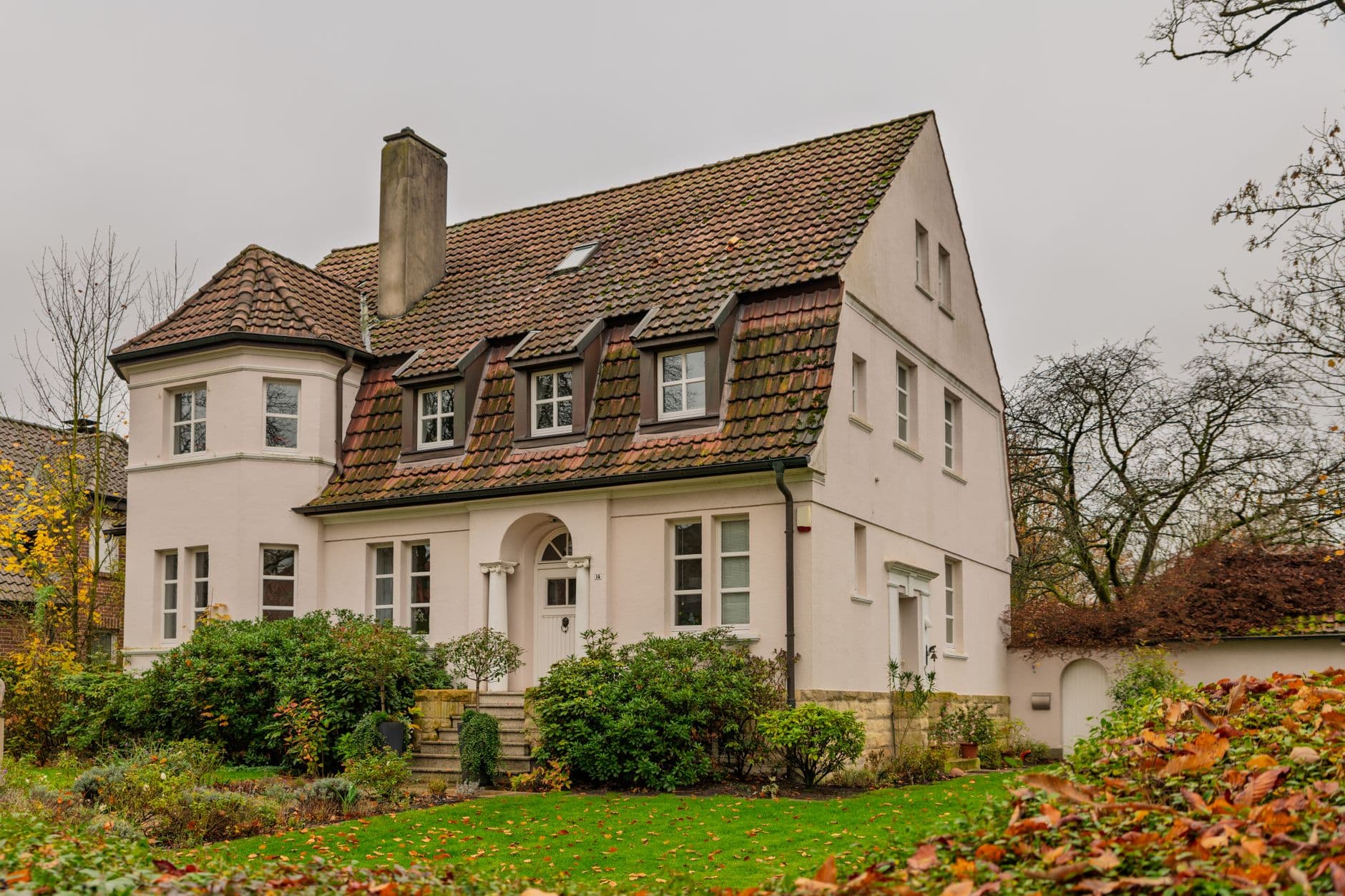
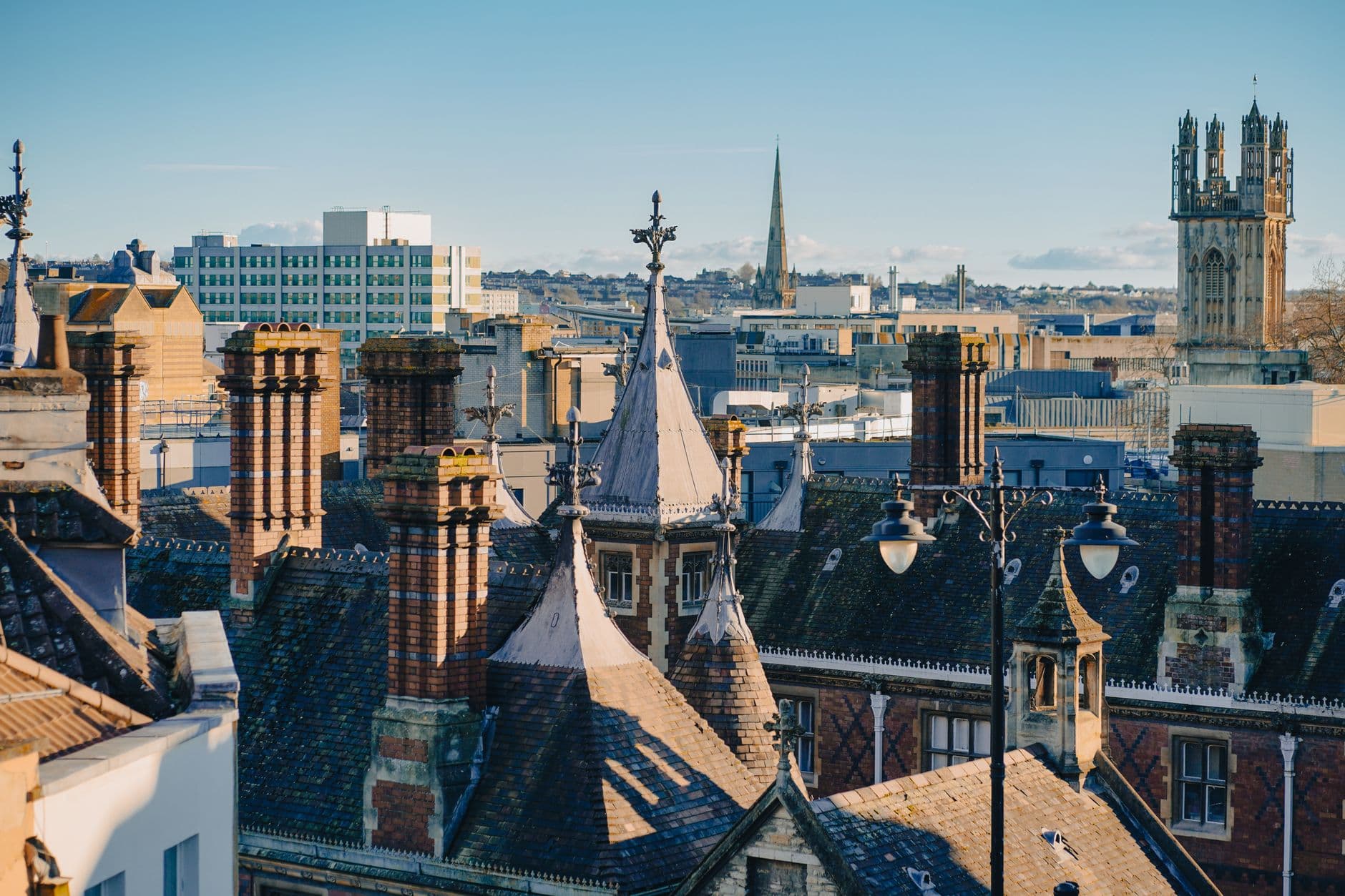
Long Beach's inventory of early twentieth century Craftsman and Spanish Colonial homes includes chimneys that were sometimes built without a flue liner at all, or had one added years after original construction. An unlined or inconsistently lined masonry flue behaves differently than a standardized clay tile liner. Raw brick and mortar hold and release heat differently than fired clay tile, and rougher, less uniform surfaces inside an older or unlined flue give creosote more places to grip and accumulate unevenly.
This matters because creosote buildup on unlined or irregularly lined masonry is harder to inspect visually and harder to remove completely with standard brushing. A Level 2 camera scan is particularly valuable on these older Long Beach chimneys, since it can reveal accumulation patterns that a flashlight and a look up the flue would miss entirely.
Standardized Clay Tile Liners: Torrance
Torrance's post-war tract homes, built largely in the 1950s and 1960s masonry boom, generally used consistent clay tile flue liners set in mortar. This standardization actually helps with creosote management: a uniform liner surface and consistent flue diameter support more predictable draft, and predictable draft supports the complete combustion that produces less creosote in the first place.
The main creosote risk in these Torrance chimneys comes less from the liner material itself and more from decades of accumulated deposits in flues that have not been swept regularly, along with any cracking in aging tile joints that lets smoke escape into surrounding mortar and framing rather than exiting cleanly.
Custom and Hillside Liners: Rancho Palos Verdes and Rolling Hills Estates
Custom homes on the Peninsula, including the mid-century ranch houses and hillside builds in Rancho Palos Verdes and the equestrian estates and custom ranch homes in Rolling Hills Estates, often have larger fireboxes and taller chimneys built as architectural features. Cool coastal marine air keeps flue temperatures on these hillside builds lower than inland South Bay homes, which means smoke condenses into creosote more readily here than it would in a warmer setting.
This coastal cooling effect compounds with another factor specific to the Peninsula: chimneys here have sometimes shifted slightly from hillside soil movement over the years, and any resulting hairline cracks in a liner interact badly with heavy creosote accumulation. A cracked liner section coated in dense, glazed creosote is a more serious hazard than either problem would be alone, since it combines a weak point in the structure with the fuel most likely to ignite it. Given how many hillside RPV and Rolling Hills Estates lots sit close to dry, drought-tolerant landscaping, that combination deserves prompt attention rather than a wait-and-see approach.
Coastal Bungalow Flues: Redondo Beach
Redondo Beach's older beach bungalows and Spanish-style homes sit in near-constant marine layer moisture, which keeps flue surfaces cool in much the same way as the Peninsula's coastal exposure does. Smoke condenses readily in this environment, and the same moisture that accelerates corrosion on chimney hardware also mixes with creosote deposits to create an acidic compound that speeds up deterioration of both the liner and surrounding mortar.
Understanding the Three Stages, Wherever You Are
Regardless of construction era, creosote progresses through three recognizable stages. Stage one appears as a light, flaky, soot-like coating that brushes away easily during routine cleaning. Stage two hardens into a shinier, tar-like layer that requires more aggressive cleaning techniques. Stage three is a hard, glazed coating that can drip or streak and is extremely flammable, capable of igniting at comparatively low temperatures. What differs by era and location is how quickly a flue progresses through these stages and how much additional risk a given stage carries when combined with the liner condition underneath it.
What Accelerates Creosote Formation Across the South Bay
A few factors show up repeatedly across our service area regardless of construction era: burning unseasoned or green wood, restricted airflow from a partially closed damper or blocked flue, and cool flue temperatures common to any coastal chimney exposed to marine air. Homes closest to the water, whether an older Redondo Beach bungalow or a Peninsula hillside build, tend to experience all three factors more intensely than homes further inland in Torrance.
Prevention That Accounts for Your Chimney's Construction
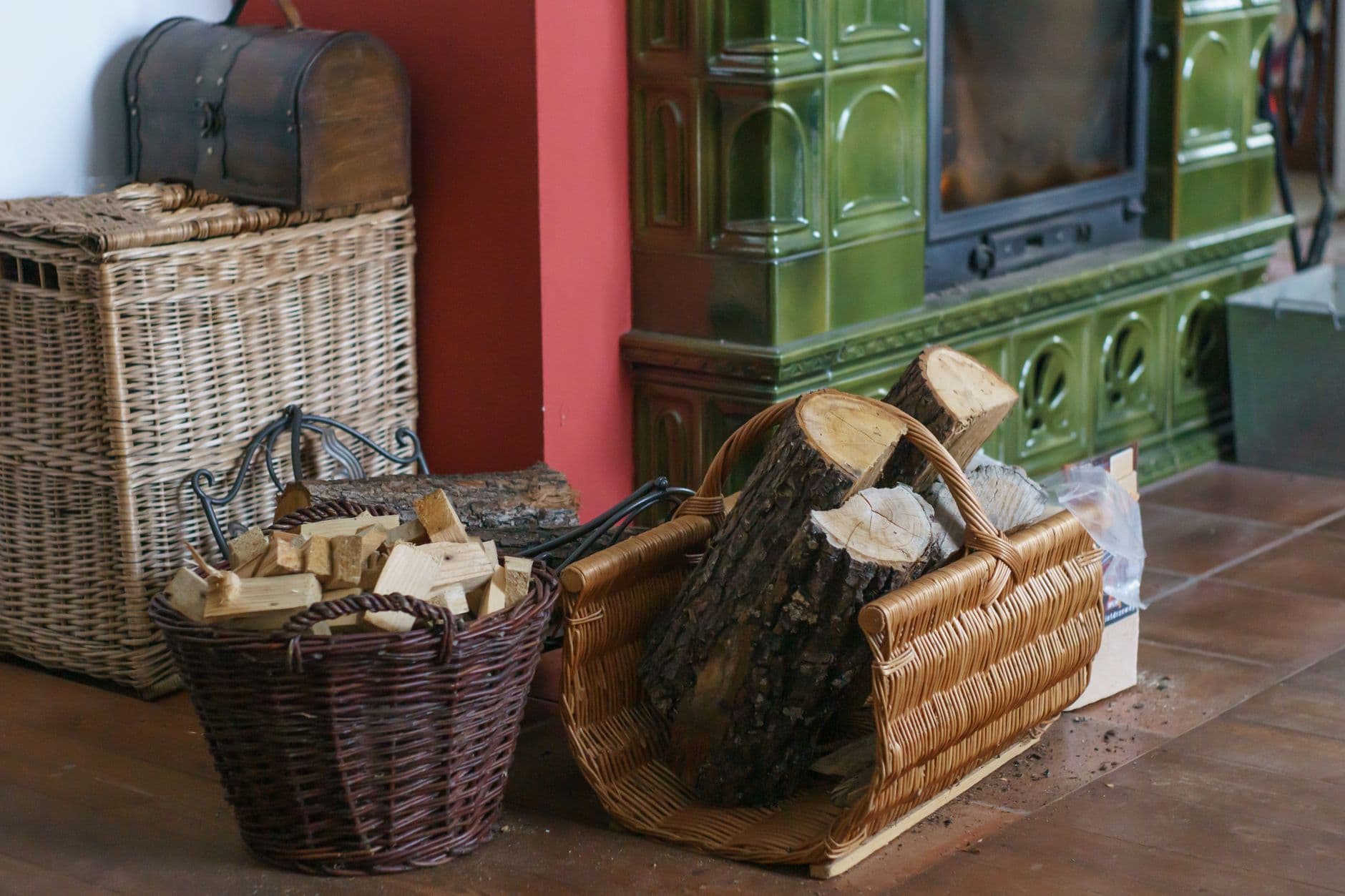
Burning only properly seasoned hardwood, dried for six to twelve months and stored elevated and covered, reduces creosote formation everywhere, but it matters most in flues that already run cool from coastal exposure. Maintaining hot, efficient fires rather than smoldering ones supports more complete combustion. Scheduling annual professional cleaning removes creosote before it reaches dangerous levels, and on older, unlined, or hillside-affected chimneys, a mid-season check between cleanings is worth considering given how much faster buildup can occur in these specific conditions.
What to Do If You Suspect a Chimney Fire
If you ever suspect a chimney fire is underway, call for emergency help immediately and get everyone out of the house. If it is safe to do so, close the damper to limit oxygen and close any glass doors on the fireplace. Never use water on a chimney fire, since it can cause a dangerous steam reaction. Afterward, even if the fire appears to have gone out on its own, do not use the fireplace again until a Level 2 inspection confirms the flue liner and surrounding structure were not compromised, a step that matters even more on older or hillside-affected chimneys where a hidden crack could already have existed before the fire started.
Removal Methods Matched to What Is Actually There
Standard chimney brushes handle stage one creosote effectively on any flue. Stage two deposits typically need rotary cleaning heads or more aggressive brushing, and on older, irregular Long Beach masonry, that process sometimes takes more time simply because the surface is less uniform. Stage three glazed creosote requires specialized chemical treatment or rotary chain tools, and on a hillside chimney where a liner may already carry hairline cracks from settling, our technicians assess whether removal alone is sufficient or whether liner repair needs to happen alongside it.
Schedule an Inspection That Considers Your Chimney's Full History
Creosote does not build up in a vacuum. How fast it forms, how it behaves, and how dangerous it becomes all depend on the specific chimney it is forming inside, and that chimney's construction era tells us most of what we need to know before we even arrive. Contact Homestead Chimney Pros at (562) 273-2664 to schedule an inspection or cleaning, whether your home is an older Long Beach original, a standardized post-war Torrance build, a custom Peninsula chimney in Rancho Palos Verdes or Rolling Hills Estates, or a coastal Redondo Beach bungalow.
Need Professional Chimney Service?
Our CSIA-certified technicians are ready to help with all your chimney and fireplace needs. Contact Homestead Chimney Pros today for expert service throughout the South Bay / Palos Verdes service area.